Bobby Pallier co-founded TLC, a Melbourne tree and landscaping contractor that runs on chainsaws and site visits. The former lawyer argues that small trades businesses need a trained person at every point where AI hands work back.
By Angeline Lim, Marketing Associate, LYRIQ.AI· Last updated:
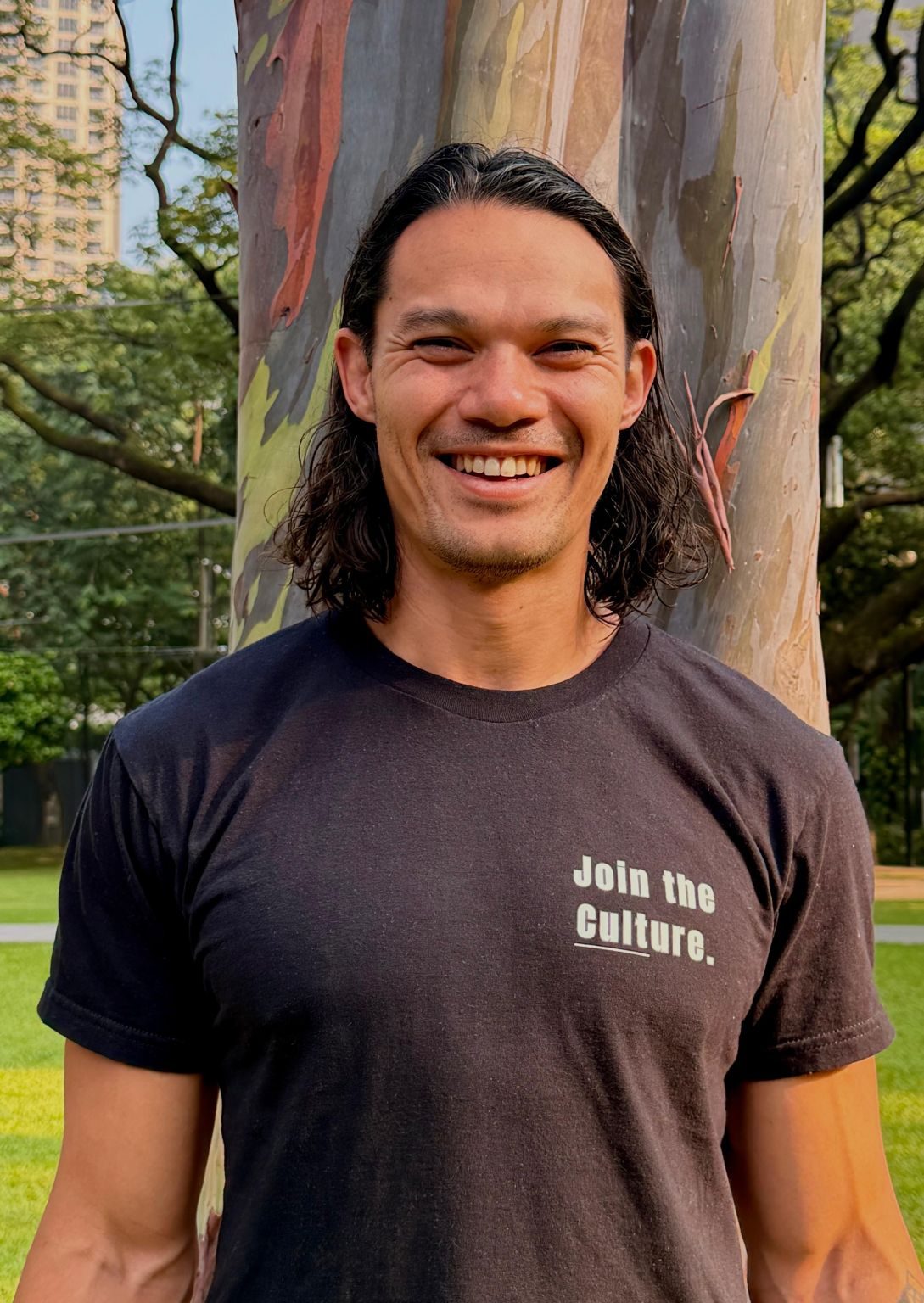
Bobby Pallier, co-founder of TLC · Photograph: via Bobby Pallier, LinkedIn
A tree crew has no business on a BPO site, and yet here we are, chainsaws and all! We are Trees Landscaping & Cultures (TLC), a Melbourne arboriculture and landscaping contractor. I run it with my business partners, Matthew Fittell (Operations) and Arielle Bustos (Brand and Media).
We run on chainsaws, chippers and site visits. But our business is mostly information work: enquiries, quotes, reports, subcontractor onboarding, council paperwork, invoices. Every one needs someone who knows what good looks like.
That is why we want to contribute to BPO.AI, not just browse it.
“We are not a BPO. We are the kind of business that needs a trained human at every checkpoint where AI hands work back.”
Bobby Pallier / TLC, October 2026
29%of occupations assessed by Jobs and Skills Australia were in shortage in 2025
45%of construction businesses surveyed had lost work by responding too slowly
5.1%rise in trade prices in the first half of 2026
36%of Australian small business owners say admin takes up most of their week
Sources: Jobs and Skills Australia, 2025 Occupation Shortage List; OpenAI-commissioned research, via Dynamic Business (September 2026); HIA Trades Report, June quarter 2026, via Building Connection (July 2026); Thryv 2025 Business Index, via Australasian Paint & Panel (May 2026).
The problem
The work is there. The hours are not.
Demand for tree and landscape work is not the problem. Storms, development, council requirements and ageing canopies keep the phones ringing.
The problem is the day. There is only so much of it, and the back end of a trades business eats it.
Quotes. Follow-ups. Reports. Compliance paperwork. Subcontractor onboarding. Invoices. Council forms. Most of it happens after the crew has packed up, or instead of the next job.
Arborists and landscapers do hard, skilled and necessary work. They keep our streets safe and our yards alive. They should not lose their evenings, their weekends and their families to admin.
That is the real cost of a slow back end. Jobs go unquoted, enquiries go cold, and good operators burn out.
Fixing it does not mean making tradies into office workers. It means taking the admin off their plate and putting it with people who are trained to do it well.
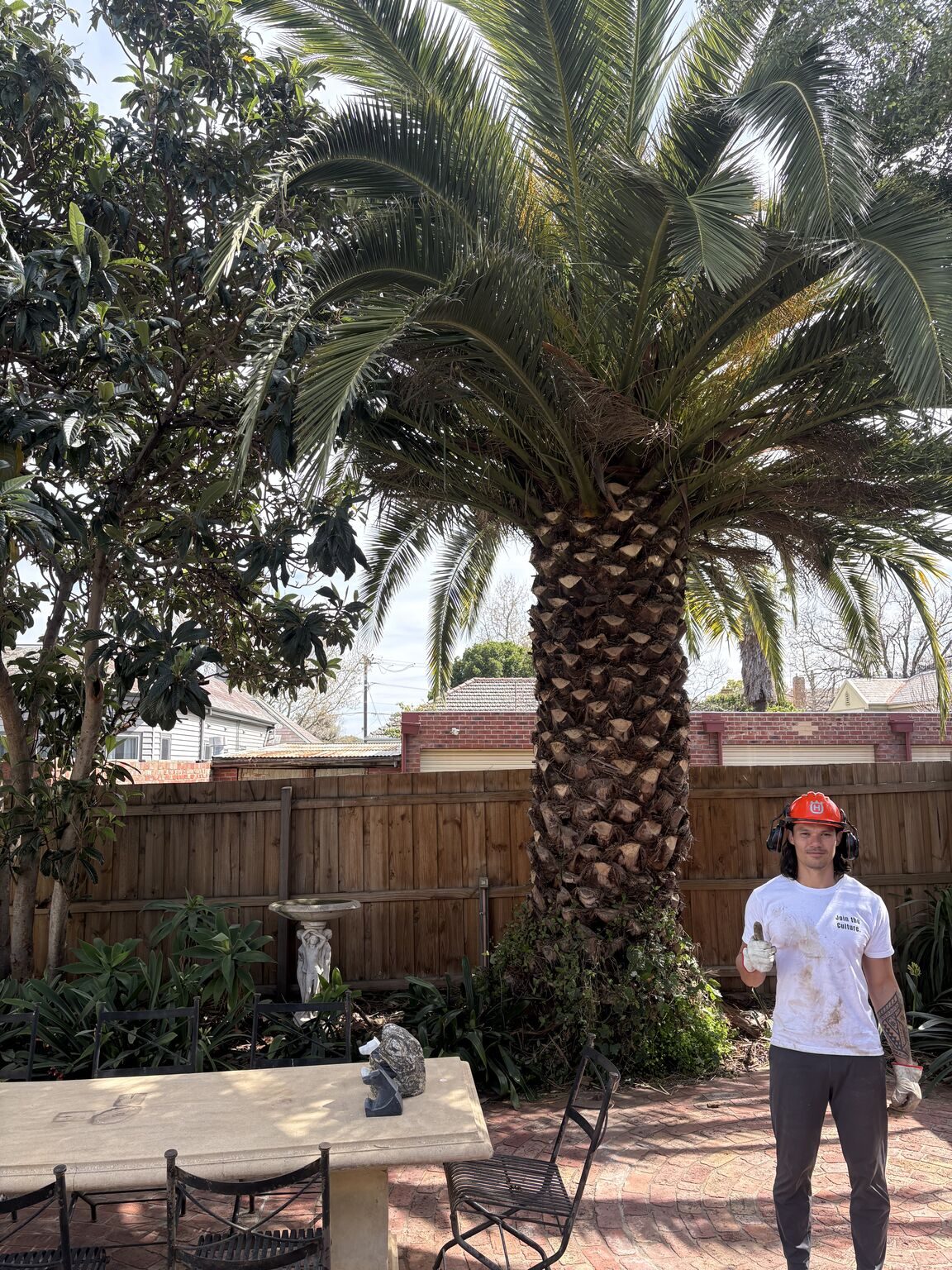
Bobby Pallier on a recent TLC job at Moonee Ponds in Melbourne's north. Photograph: via Bobby Pallier, LinkedIn
A country short of trades
This is not just our experience. It is the national picture.
Jobs and Skills Australia's 2025 Occupation Shortage List found 29% of assessed occupations in shortage, down from 33% in 2024. But nearly half of trade roles are still short. Skilled hours are scarce, and too many of them go on paperwork.
In research commissioned by OpenAI, 62% of small business owners said quoting, invoicing or scheduling takes up more of their week than the work itself. Among construction respondents, 45% had lost work because they were slow to respond (Dynamic Business).
The wider picture is similar. ACCI research finds 39% of small businesses spend more than six hours a week dealing with red tape (via ASBFEO).
That is the cost of a slow back end: late quotes, cold enquiries and tired operators.
What scarcity does to customers
When skilled labour is short, two things happen. Waiting lists grow, and prices rise.
HIA reports trade prices rose 5.1% in the first half of 2026, the fastest six-month rise since the 2022 shortage peak.
Homeowners, councils and property managers feel that directly. A tree that needs attention waits for a crew, and the quote reflects how scarce the crew is.
Where AI fits
AI will not grow a climber or a licensed operator. Those skills take years, and we need more people entering the trade.
What AI can do is protect the skilled hours we already have. Every hour a qualified person spends on quoting, chasing and paperwork is an hour not spent on a tree or a yard.
Admin hits small businesses hardest. In one vendor survey, Thryv's 2025 Business Index, 36% of Australian small business owners named admin as the most time-consuming part of their week. Treat that as indicative, not definitive.
Our aim is simple:
Keep servicing the work that comes in.
Keep prices at levels customers can live with.
Answer fast, quote fast and finish on time.
Hold the same standard on every job.
The skilled crews stay on the tools. A trained, AI-literate team handles the rest.
Arielle Bustos, co-founder of TLC and Head of Brand and Media. Photograph: supplied by TLC
The model
AI does the volume, skilled people own the judgment
The pitch for AI in business is usually replacement. Ours is the opposite.
An AI agent drafts the quote, scores the lead, summarises the call, checks the form. A trained human reviews it, corrects it, and signs it off before anything consequential leaves the building.
That human is the product. A clean handoff from machine to person is what makes the speed safe to sell.
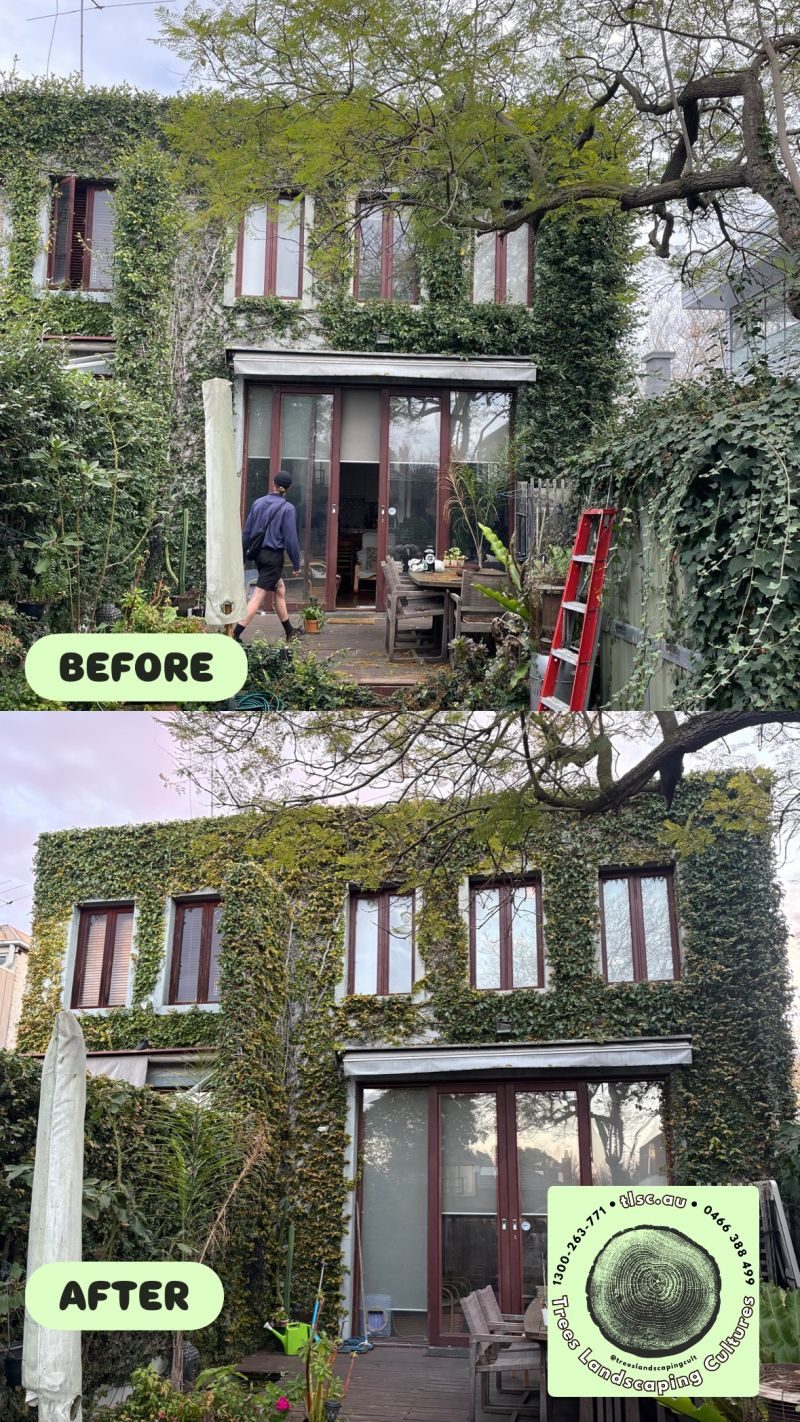
Before and after from a recent TLC job at Elwood in Melbourne's Bayside. Photograph: via Bobby Pallier, LinkedIn
We are building TLC this way from the start, with LYRIQ as our technology and AI partner. The missing piece is the people.
Ten functions, one rule
We have mapped ten functions where an AI agent does the first pass and a skilled person owns the result.
Proposes crew and job sequences, prepares run sheets
Dispatch decisions, site-specific risk
Quality and reporting
Checks job photos and paperwork against a checklist
Sign-off on what the client receives
“None of these roles needs a chainsaw. All of them need someone who understands the work.”
Bobby Pallier / TLC, October 2026
Why this network
Why the BPO.AI network
We do not want anonymous labour. We want people who are already skilled, already vetted, and already learning.
BPO.AI's model fits that. Its AI Academy ties badges to completed training, and it checks for real AI use rather than claimed AI use.
The Philippines has a deep pool of experienced customer, back-office and compliance professionals. Many are one upskilling step away from supervising AI agents instead of competing with them.
For them, human-in-the-loop work is a career step: from doing the task, to checking the machine that does it, to designing the workflow.
For us, it is how a small Australian contractor scales without hiring a head office.
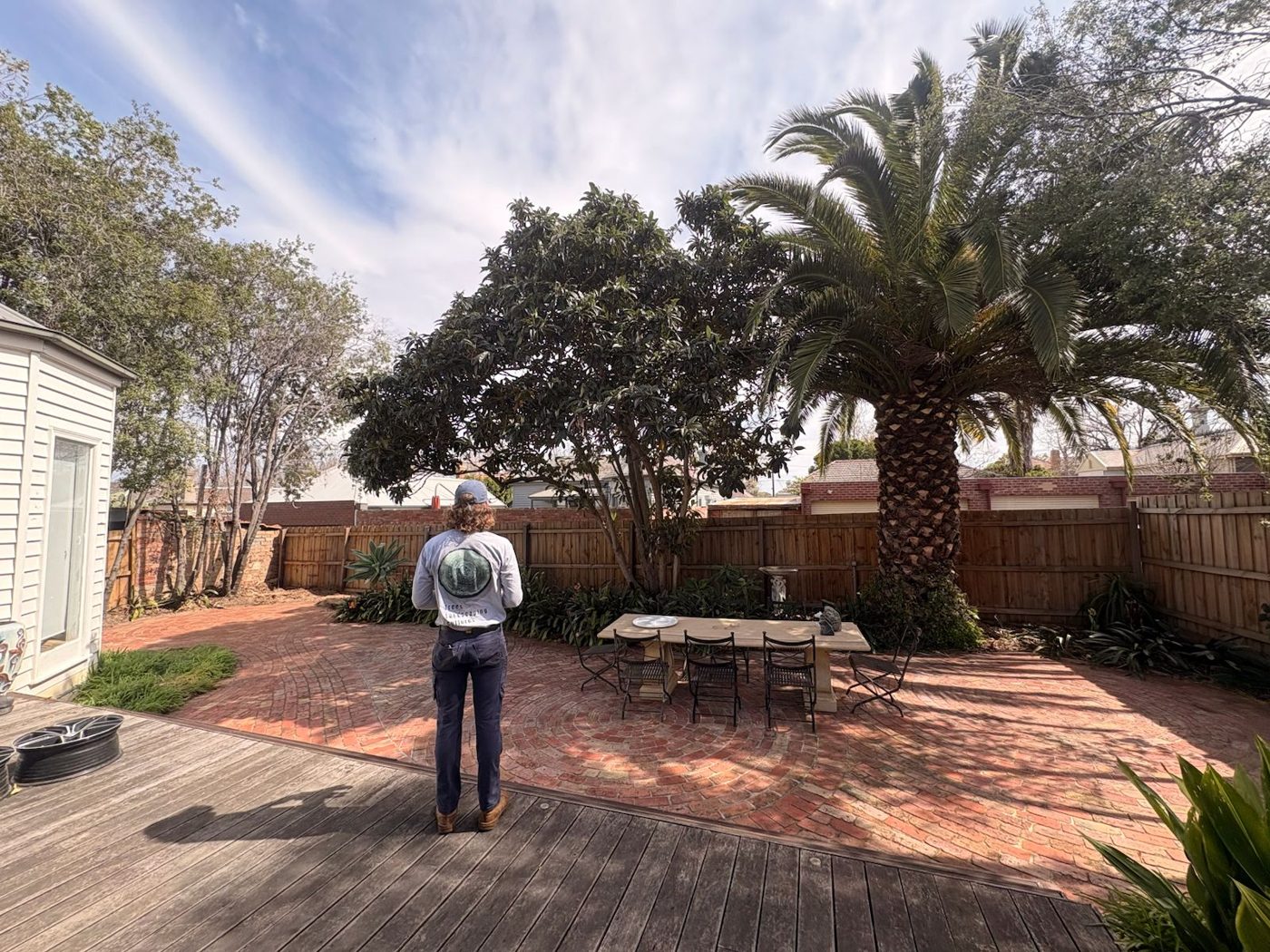
Matthew Fittell, co-founder of TLC and Head of Operations, inspecting a finished project at Moonee Ponds in Melbourne's north. Photograph: via Bobby Pallier, LinkedIn
Scaling this way only works if the structure is clean.
Approval gates. Consequential actions pause for human sign-off. LYRIQ's AgentConnect platform is built around this, with execution traces and audit logs behind it.
Clear engagement terms. People are engaged through a compliant structure, with fair pay and proper contracts. TLC's own model is outcome-based, never labour hire by another name.
Privacy and data handling. Customer and contractor data is scoped by role. Cross-border handling follows Australian and Philippine requirements.
Honest limits. Compliance support is not legal advice. Anything that needs a lawyer goes to one.
The agent proposes. The human decides. The log proves it.
What comes next
A question for BPO leaders
If your clients' AI agent gets it wrong on Monday morning, who in your team catches it?
If the answer is "nobody, yet", that is the training gap. It is also the opportunity.
If you run a team, or you are one skilled person ready to upskill, we would like to hear from you.
The lesson for BPO leaders is a practical one. As clients hand first drafts to AI, the person who checks the output becomes the service they are buying.
AI helped edit this column. The BPO.AI editorial desk reviewed it and checked every statistic against its original source.
His career started in law school, with jobs at Uber and Deliveroo that included launching new markets across Queensland. It taught him how fast things break when the process behind them is not built properly.
He then spent more than seven years in private practice at national law firms, advising on major transactions including the $10.3B Tabcorp demerger. He also advised Edmund Rice Education Australia, a charity and education group turning over more than $1B a year.
He moved in-house as General Counsel at a property developer and at CFMG Capital, a funds management business, which had $40M+ AUM upon his departure. But he had always wanted to own a business, not just advise one.
In the trees industry he saw a lot of good work being done, and plenty of room to improve efficiency, communication and workflows. He co-founded TLC to give contractors better systems, clients a better experience, and the work done properly.
BPO Leaders is written by executives from BPO companies and the businesses that work with them, in their own words. Our editorial desk sends you a topic.Write for bpo leaders
Share this story
Know a BPO leader who should read this?
Share it with your network on LinkedIn in one click.