The Philippine government is actively supporting AI readiness in the BPO sector, recognising that the industry's 1.7 million workers need targeted programs and investment to stay competitive as automation reshapes global outsourcing demand. Without that support, the Philippines risks losing its edge to AI tools that no longer require a single geography to deliver customer service.
The Scale of What Is at Stake
The Philippine BPO industry is not a niche player. According to Jack Madrid, president of the Information Technology-Business Process Management Association of the Philippines (IBPAP), the sector will generate nearly US$38 billion in revenue in 2024 and employs roughly 1.7 million people. A further 1.5 million Filipinos are registered on international freelance platforms, providing services ranging from data entry to software development.
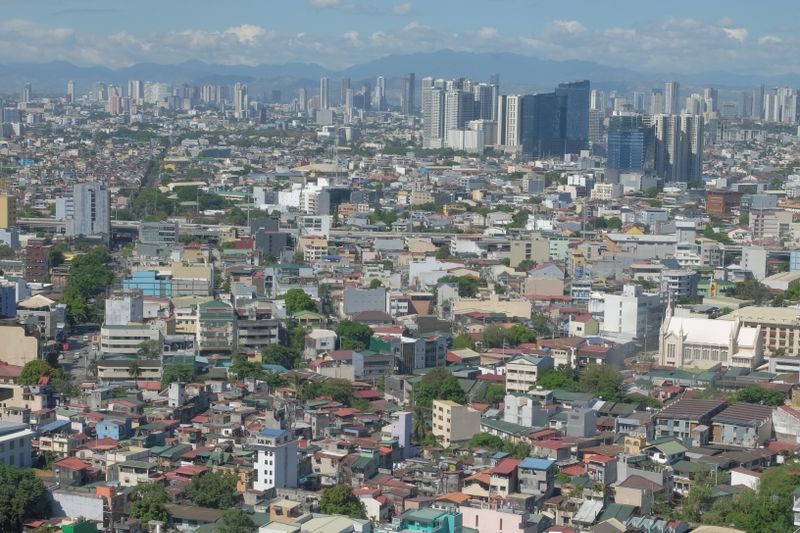
The industry spans voice and non-voice work across IT, healthcare, legal, and finance. BPO companies operate across Metro Manila, Cebu City, Clark, Davao, and Iloilo, serving clients in Canada, the United States, and beyond. You can browse active providers in the BPO directory.
How AI Is Changing Demand
AI-driven tools, including chatbots, virtual assistants, and automated customer service platforms, are taking over tasks that once required human agents. Routine inquiries, call screening, and social media content are among the first roles affected. Entry-level customer service positions face the sharpest pressure, as businesses find that AI can handle common questions at lower cost and at any hour.
There is a strategic dimension beyond individual job losses. AI tools can now engage customers globally without language barriers, which weakens one of the Philippines' core advantages: its large pool of English-speaking graduates with cultural familiarity with Western markets. As analysis from the Asia Pacific Foundation of Canada notes, this shift could erode the country's competitive position if businesses in higher-income countries decide AI is sufficient for their outsourcing needs.
The Government and Industry Response
Recognising the threat, Philippine government agencies and industry groups are pushing for programs that retrain workers and attract AI investment. The priority areas include:
- Upskilling BPO workers in AI-adjacent roles such as data annotation, AI quality review, and process automation management
- Encouraging AI vendors to partner with local BPO companies rather than replace them
- Positioning the Philippines as a destination for higher-value outsourcing work in legal tech, health informatics, and financial analysis
- Supporting freelance workers registered on global platforms through digital skills programs
IBPAP and the Creative Economy Council of the Philippines are both engaged in framing the industry's transition, arguing that AI should be treated as a tool that augments Filipino workers rather than a replacement wave that cannot be managed.
What This Means for BPO Clients and Providers
For enterprise buyers considering outsourcing to the Philippines, the short-term picture remains strong. The talent pool is deep, English fluency is high, and BPO companies are beginning to integrate AI call center tools into their service stacks. The medium-term question is whether government investment in AI readiness keeps pace with the speed of automation. Providers that adapt early, combining human expertise with AI tools, are likely to hold their clients and attract new ones.