Back to News

BPOAI News / AI Vendors & Tools

Ike Stranathan Says AI Will Reshape BPO, Not Kill It

He left California for Manila and founded STAFFVIRTUAL in 2009, inspired by a book about working less. Seventeen years and more than 2,000 hires later, the CEO argues that the next generation of BPO companies will provide AI-enabled people, not just people.

Share on LinkedIn
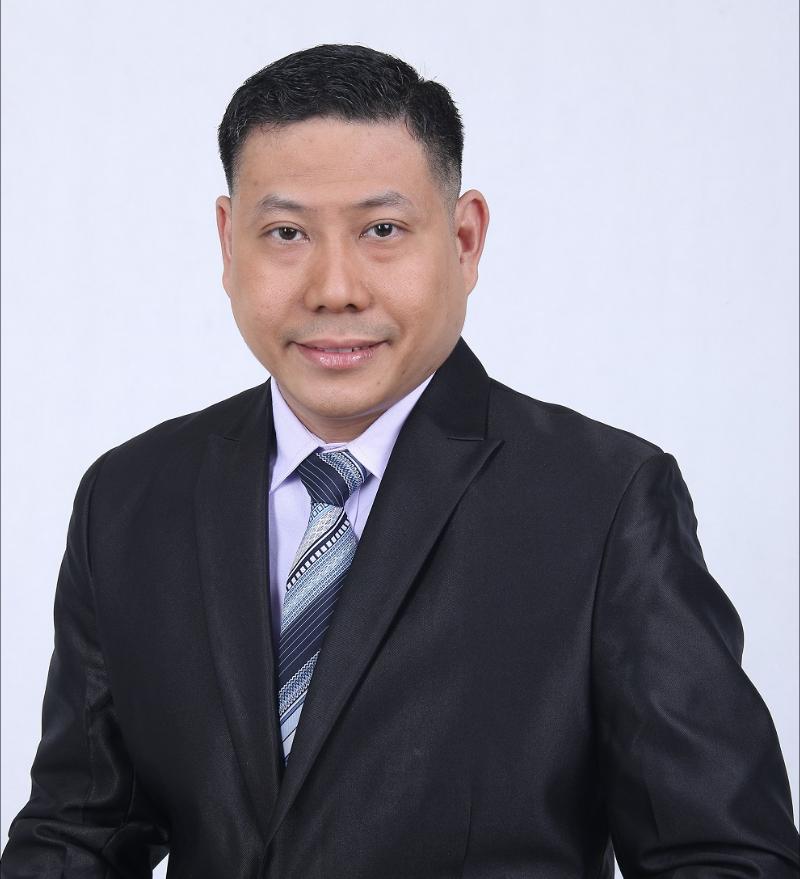
Ike Stranathan, Chief Executive Officer of STAFFVIRTUAL
Ike Stranathan, Chief Executive Officer of STAFFVIRTUAL · Photograph: via Ike Stranathan, LinkedIn

In 2009, Ike Stranathan was an American entrepreneur inspired by Tim Ferriss's The 4-Hour Workweek and by the early pioneers of Filipino outsourcing. He relocated from California to Manila and launched STAFFVIRTUAL as a business process outsourcing company, according to the company's own history.

Seventeen years later he is still its Chief Executive Officer, and he is clear about what comes next for the industry he built his career in. "AI is not going to kill the BPO industry," he wrote on LinkedIn in 2026. "It's going to completely reshape it."

“We will all become cyborgs, onshore and off.”
Ike Stranathan / LinkedIn, 2026
  • 2009the year he founded STAFFVIRTUAL
  • 2,000+employees hired since 2009
  • 98%client retention rate, according to the company
  • 74%of his clients are American companies

Sources: STAFFVIRTUAL About Us, STAFFVIRTUAL and Ike Stranathan on LinkedIn.

The origin

From FDA compliance to Manila

Stranathan did not start in outsourcing. According to his LinkedIn profile, he joined cGMP Validation straight after graduating from the University of Kansas in 1998, performing validation studies for drug, biotech and medical device makers. He rose to project manager and then regional representative on the US West Coast, working with clients "from the largest 'Big Pharmas', to medical device manufacturers, to small biotechnology startups."

He founded STAFFVIRTUAL in November 2009. The company now describes itself as "an American owned outsourcing company based in Miami, with offices and remote talent across the Philippines," building customer support, back-office and IT teams for clients in industries including legal, technology, healthcare and e-commerce. It has built particular depth in teams for managed service providers and law firms, according to its website.

“The next generation of BPO companies won’t just provide people. They’ll provide AI-enabled people, automated workflows, better data, and dramatically higher output per employee.”

He has written about what it took to get there. Moving to Asia "alone" and building "a successful life and business from scratch," he wrote in a LinkedIn post, came from an inner voice that kept pushing him forward. "Growth comes through pressure," he wrote in another. "Challenges are often just disguised breakthroughs."

Four STAFFVIRTUAL team members in business attire smiling as they look at a tablet together
Members of the STAFFVIRTUAL team. Photograph: STAFFVIRTUAL

Building teams for MSPs and law firms

Stranathan knows his core market well. "The two biggest challenges I've consistently seen while building remote teams for Managed IT/MSPs over the last ten years are: 1. Reliable off-hours support 2. Consistently filling the sales pipeline," he wrote on LinkedIn in 2026.

His answer is time zones and trained teams. STAFFVIRTUAL's Philippine teams "operate in a time zone that naturally covers US evenings, nights, and weekends," he wrote, so clients can offer round-the-clock support "without burning out your domestic staff or paying premium onshore rates."

Choosing who to work with

He is just as deliberate about clients. One of the biggest turning points in his career, he wrote, "was the day I decided I only wanted to work with people I actually enjoy. People I respect, trust, and whose company energizes me."

“AI is not going to kill the BPO industry. It’s going to completely reshape it.”
Ike Stranathan / LinkedIn, 2026

The measure

Output per person, not cost per seat

For most of the industry's history, Stranathan argues, outsourcing was about price. "For years, outsourcing was mostly about labor arbitrage: finding talented people in lower-cost markets to perform repeatable work," he wrote. "AI changes that equation."

AI-enabled people

He points to the stories of single developers doing the work of five with AI, and sees the same shift coming to BPO. The next generation of providers, he wrote, will offer "AI-enabled people, automated workflows, better data, and dramatically higher output per employee."

AI plus talent

He made a similar case in 2025. "While the headlines are buzzing about OpenAI, Anthropic, and Nvidia, the quiet winners are the companies using AI plus elite offshore talent to scale faster and smarter than their competitors," he wrote. STAFFVIRTUAL, he added, builds remote teams in the Philippines that are "often" augmented by "AI tools and systems that we help them implement."

Know a BPO leader who should read this?Share on LinkedIn

What comes next

Where he says it is going

Stranathan expects the line between onshore and offshore work to matter less as AI spreads. "We will all become cyborgs, onshore and off," he wrote.

His advice to other founders is to commit. Quoting Jim Collins, he wrote that most entrepreneurs fail because "they don't fully commit during the most critical inflection point." His own reading: "half-in doesn't cut it."

The lesson for BPO leaders is a practical one. Stop selling cheaper seats. Start measuring what each person on your team can deliver with the right AI tools behind them.

AI helped draft this article. The BPO AI Editorial Team reviewed and edited it, and checked every fact against its original source.

Related

BPO Leaders is written by executives from BPO companies, in their own words. Our editorial team sends you a topic.Write for bpo leaders

Share this story

Know a BPO leader who should read this?

Share it with your network on LinkedIn in one click.

Share on LinkedIn