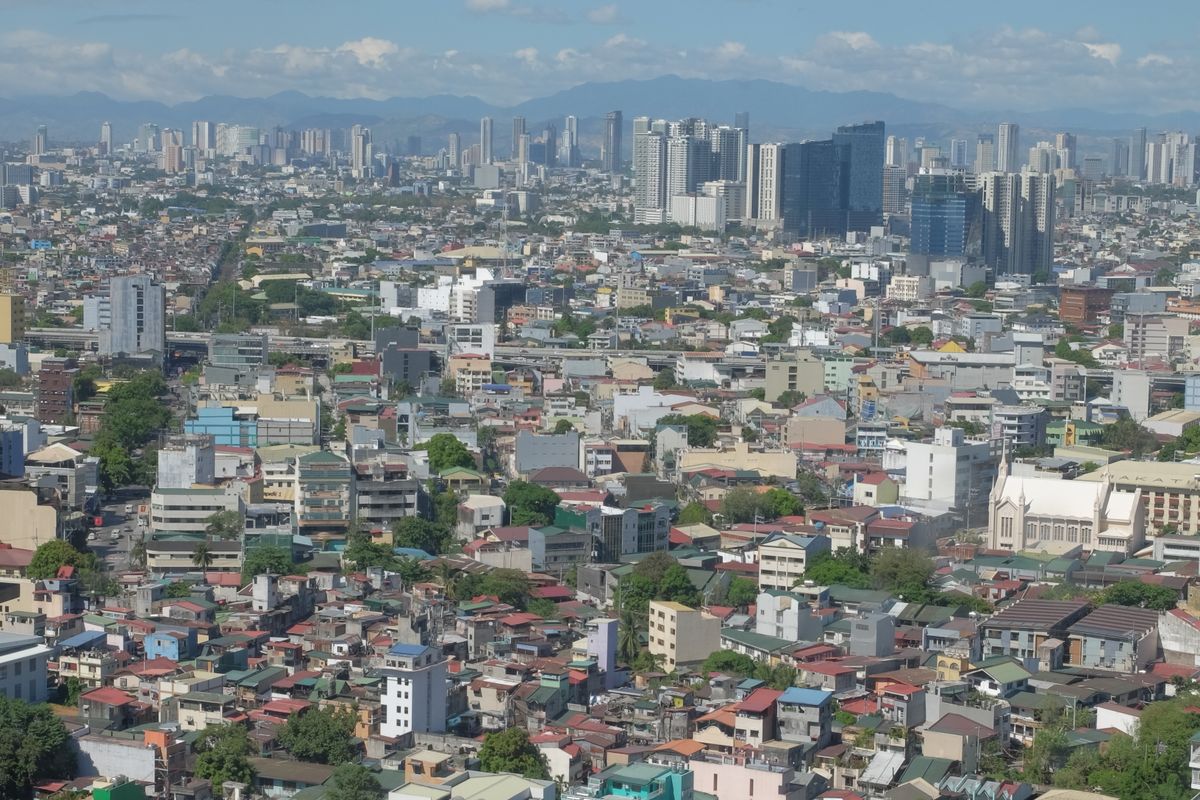
Philippine BPO Industry at a Glance
The Philippines remains one of the world's foremost outsourcing destinations. The IT-BPM (Information Technology and Business Process Management) sector closed 2024 with approximately US$38 billion in export revenues, employing around 1.82 million full-time professionals, figures that place the industry at roughly 8–9% of national GDP. The United States continues to be the largest client market, followed by growing demand from Europe, Australia, Canada, and the Middle East, all drawn by the Philippines' combination of cost efficiency, English proficiency, and service quality.
For a detailed breakdown of these figures and projections, see the full analysis at Creathink Solutions: Philippine BPO Industry 2025.
Smart Technology Is Becoming Standard
Across BPO companies in the Philippines, the integration of AI, machine learning, automation, and cloud computing is no longer experimental, it is operational. Routine functions such as customer support triage, data processing, and administrative workflows are increasingly handled through AI-assisted tools, with human agents focused on exception handling, escalation, and quality assurance.
Cloud-based infrastructure is enabling more secure, scalable, and collaborative work environments, supporting both onsite and remote delivery models. Enhanced cybersecurity protocols have followed, reinforcing client confidence in how sensitive data is managed across offshore staffing arrangements.
Generative AI Enters Non-Voice BPO Workflows
One of the most significant developments for 2025–2026 is the adoption of generative AI tools, large language models and AI writing assistants, within non-voice BPO operations. Philippine providers are now deploying these tools across a range of knowledge-intensive tasks:
- First-draft email and chat responses
- Knowledge base article generation
- Medical documentation support
- Legal contract summarisation
The model is consistent: AI generates an initial output, a human agent reviews and refines it. This human-in-the-loop approach compresses average handling times while maintaining the accuracy standards enterprise clients require. Providers that have invested in AI tool training for their workforce are already capturing premium contracts in this emerging service tier.
The Shift Toward Higher-Value Services
The Philippine BPO industry is maturing beyond its call centre origins. There is measurable growth in demand for specialised services including data analytics, software development, and finance and accounting outsourcing. This upskilling trend reflects both client appetite for more complex offshore capabilities and the Philippine government's continued investment in digital workforce development.
For businesses evaluating outsourcing to the Philippines, this evolution means access to a broader range of skilled talent, not just voice support agents, but analysts, developers, and AI-augmented knowledge workers capable of handling higher-complexity engagements. The Philippine BPO industry's combination of scale, adaptability, and accelerating AI integration positions it strongly for continued expansion through 2026 and beyond.